What To Check Before A Seasonal Car Care Checklist Before Winter
A practical step-by-step guide to what to check before a seasonal car-care checklist before winter, including preparation, instructions, common issues, tips, and next steps.
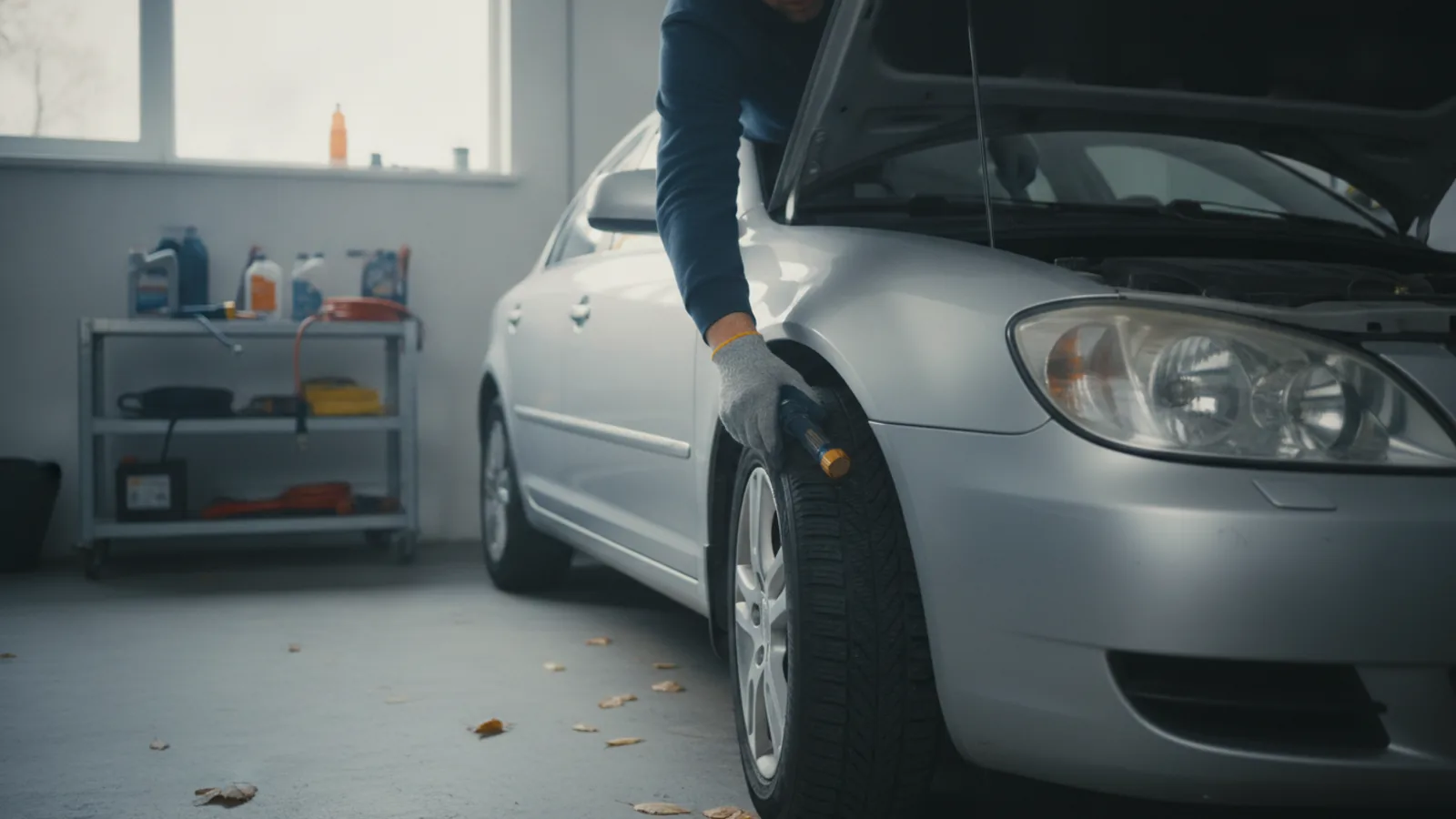
What To Check Before A Seasonal Car Care Checklist Before Winter
Preparing your car for winter involves more than just swapping tires. A thorough seasonal check covers fluids, battery health, visibility systems, emergency supplies, and underbody protection. By methodically inspecting these areas before cold weather arrives, you can reduce the risk of breakdowns, improve safety on icy roads, and avoid costly repairs. This guide provides a practical, step-by-step approach to winterizing your vehicle, with emphasis on what to check, how to check it, and why it matters.
Fast Answer
- Check your engine coolant, oil, and windshield washer fluid levels and top them up with seasonally appropriate products. Cold temperatures can thicken oil and reduce the effectiveness of incorrect fluids.
- Inspect your battery's terminals for corrosion and have its voltage tested. A weak battery is a leading cause of winter starting failures.
Before You Start
- Gather the owner's manual for your vehicle to review the recommended winter maintenance schedule and specifications for fluids and parts.
- Collect necessary tools and materials: a flashlight, gloves, tire pressure gauge, basic wrench set, and antifreeze tester.
- Set aside at least an hour to complete all checks. If you are not confident, schedule a professional inspection beforehand.
- Clear a level, well-lit area where you can safely access the engine, tires, and undercarriage without traffic hazards.
Step-by-Step Instructions
Check Engine Coolant and Antifreeze Mixture
First, ensure the engine is completely cool. Locate the coolant reservoir, typically a translucent plastic tank near the radiator, and note the fluid level against the 'min' and 'max' marks. If it is low, add a 50/50 mixture of distilled water and antifreeze recommended by your vehicle's manufacturer. Then, use an antifreeze tester—either a float-type or a digital one—to measure the freezing point of the coolant. Insert the tester's syringe into the reservoir, draw up some fluid, and read the scale. A reading that indicates protection down to at least -30°F or -34°C is ideal for most winter climates. If the fluid is weak or has been in the system for more than two years, it is time for a complete flush and replacement. This process removes corrosion and ensures the cooling system can protect the engine block from cracking in freezing temperatures. Letting weak coolant remain can lead to a cracked engine block, a very costly repair. Also, inspect the radiator hoses for splits or soft spots and replace any that feel mushy or show dry cracks.
Test the Battery and Clean Its Terminals
Begin by turning off the engine and opening the hood. Inspect the battery terminals and cable connections for white or powdery corrosion, which looks like a white or greenish crust. If present, disconnect the negative cable first, then the positive. Mix a tablespoon of baking soda with a cup of water and use an old toothbrush to scrub the terminals and cable clamps. Rinse with plain water and dry thoroughly before reconnecting the battery, starting with the positive cable, then negative. Next, use a digital multimeter to measure the battery's resting voltage across the terminals. A fully charged battery should read about 12.6 volts. If it reads below 12.4 volts, recharge it with a battery charger. Many auto parts stores offer a free load test, which applies a simulated starting load and indicates the battery's ability to hold a charge in cold conditions. If the battery is more than three years old or shows signs of weakness, consider replacing it before winter, because cold weather slows the chemical reaction inside and reduces available power. Also, check the battery's hold-down bracket to ensure it is tight.
Evaluate Tire Tread and Pressure
First, use a tire pressure gauge to check the pressure on each tire when the tires are cold, meaning the car has been parked for at least three hours. Inflate them to the pressure listed on the driver's side door jamb sticker, not the maximum pressure printed on the tire sidewall. Next, inspect the tread depth. Insert a penny into the tread groove with Lincoln's head upside down; if you can see the top of Lincoln's head, the tread is too worn. More precisely, use a tread depth gauge to measure; most winter tires have a new tread depth of 10/32 of an inch, and a reading of 4/32 or less is the minimum for winter driving. Also, look for uneven wear patterns, such as bald spots or excessive wear on one edge, which indicate alignment problems. For winter, consider switching to winter tires if you live in an area with substantial snow and ice. They use a softer rubber compound that stays flexible in cold temperatures, and their deeper treads and sipes provide better grip. If you stay with all-season tires, ensure the tread has adequate depth and the pressure is checked regularly, as colder weather decreases tire pressure.
Verify Windshield Washer Fluid, Wipers, and Defroster
Pop the hood and locate the windshield washer fluid reservoir. Remove the cap and check the level; top it up with a winter-specific washer fluid that contains antifreeze components, as these are designed not to freeze in cold temperatures. Do not use water or summer-grade fluid. Next, inspect the wiper blades for cracks, tears, or sticking. Lift each blade and flex the rubber; if you see cracks or the rubber is hard, replace them with winter wiper blades. These have a rubber boot that prevents ice buildup. Also, examine the wiper arms and ensure the blades make contact with the windshield across their full length. Finally, turn on the defroster and both the front and rear window heating elements. Listen for the fan blowing and feel air from the dashboard vents; adjust the temperature to warm and switch between modes. Check that the air conditioning compressor, which often runs in defrost mode to dehumidify, engages. If any of these systems do not work, consult your owner's manual or have them inspected, as a clear windshield is essential for safe driving in snow and slush.
Test All Lights and Replace Burnt Bulbs
Turn on the position lights, low beams, high beams, and fog lights if your vehicle has them. Walk around the car to visually check that each light is illuminated and the lenses are clear. Have a helper assist, or use a reflective surface like a window to check brake lights. While your foot is on the brake, check the two brake lights and the center high mount. Then, engage the turn signals and check both front and rear indicators on each side, including the side markers. Also, test the hazard lights. Locate each bulb that is not working by referring to your owner's manual for the bulb type and replacement procedure. Most bulb replacements involve turning the socket counterclockwise and pulling it out. When replacing bulbs, handle them with a clean cloth to avoid transferring skin oils, which can shorten their life. If a fuse is blown, the lighting circuit will often fail for more than one light; check fuses in the interior fuse box. Properly functioning lights are critical during shorter winter days and in poor visibility, and they are legally required. Do not forget to clean headlight lenses if they are hazy, as that can cut illumination dramatically.
Inspect the Exhaust System and Undercarriage
Park the car on a level surface, apply the parking brake, and chock the rear wheels. If you have a jack and safety stands, raise the front of the car securely. Before going underneath, let the engine cool completely. Once safe, shine a flashlight along the exhaust pipes, muffler, and catalytic converter. Look for holes, rust spots, and signs of black soot around gaskets. Use a screwdriver to gently tap on the muffler and pipes; if it produces a dull thunk or easily breaks through, the metal is weak and must be replaced, because a leaking exhaust can allow carbon monoxide into the cabin. Also, inspect the underbody for excessive rust or corrosion, especially in areas where the frame meets the suspension. Remove any mud or debris from the wheel wells and suspension components. Check the rubber boots on the drive axles for cracks or grease leaks. If you notice significant rust or damage, have it evaluated by a mechanic. A solid exhaust and underbody structural integrity are vital for safety and to prevent the vehicle from suffering frame damage that weakens its performance in winter accidents.
Quick Reference
| Situation | Action | Why it helps |
|---|---|---|
| Engine coolant appears rusty brown or low in reservoir. | Top up with a 50/50 mix of distilled water and recommended antifreeze, and test the freezing point with an antifreeze tester. If it is brown, schedule a radiator flush. | Rust indicates internal corrosion that can clog the cooling system and reduce heat transfer, leading to overheating and engine damage. |
| Battery voltage reading is below 12.4 volts after a full charge. | Remove the battery and take it to an auto parts store for a load test. If it fails, replace the battery before winter. | A battery that cannot hold a charge will struggle to start the engine in cold weather, causing a dead battery and a stalled journey. |
| Tread depth is below 4/32 of an inch on any tire. | Replace all four tires with winter tires or new all-season tires that meet the manufacturer's recommended depth. | Insufficient tread reduces grip on snow and ice, increasing the risk of skidding and losing control. |
Common Issues
- Windshield wiper blades leaving streaks or skipping across glass.: Clean the blades with a soft cloth and a mild glass cleaner to remove grime. If streaks persist, replace the blades with new winter-specific ones.
- Defroster blows cold air even after the engine has warmed up.: Check the engine coolant level, as a low coolant can prevent the heater core from getting hot. If the level is fine, inspect the temperature control valve or heater blend door; these may require professional diagnosis.
- Headlights appear dim and do not light the road effectively.: First, clean the lenses with a plastic-safe cleaner. Then check that the headlight aiming is correct; aim them using the wall method. If bulbs are old, replace them with higher-quality bulbs.
Advanced Tips
- Consider installing a block heater if you live in very cold regions; it warms the engine coolant and oil, making starts easier and reducing engine wear.
- Use a battery maintainer or trickle charger if the car will sit unused for more than two weeks; it keeps the battery at full charge without overcharging.
- Apply a rubber protectant to door and trunk seals to prevent them from freezing shut, and lubricate the door locks with graphite powder to avoid ice jamming.
Final Checklist
- Coolant level and freezing point tested; topped up with correct mixture.
- Battery voltage checked and terminals cleaned; load tested if old.
- Tire tread depth measured and pressure adjusted to door sticker value.
- Windshield washer fluid filled; wipers and defroster confirmed working.
FAQ
Do I really need winter tires if I have all-season tires?
All-season tires are a compromise, but they lose grip below 45°F (7°C) because their rubber hardens. Winter tires use a specialized compound that stays flexible in cold temperatures, and their tread pattern is designed to bite into snow and ice. For areas with frequent snow or ice, switching to winter tires significantly improves braking and cornering, reducing your risk of a crash. Even if you drive in a milder climate, winter tires can be beneficial on occasional cold, icy mornings.
How often should I check my tire pressure in winter?
Check your tire pressure at least once a month, and more often if there is a drastic temperature drop. Tire pressure decreases by about 1 psi (0.07 bar) for every 10°F (5.6°C) drop in temperature. Underinflated tires cause poor handling and even hydroplaning risk. Use a reliable gauge and check when tires are cold, and remember to adjust for load.
Why does my car's battery die so often in winter?
Cold temperatures cause the chemical reactions inside a lead-acid battery to slow down, reducing its ability to produce current. Also, in winter you use more electrical accessories like headlights, heaters, and defroster, and the engine oil is thicker, making it harder for the starter to turn over. A battery that is old or not fully charged is more vulnerable. Have your battery tested before winter and keep it clean and fully charged.